
In the truck driving trucking business, we cannot say that a profit disappears completely because of one sudden, dramatic mistake. It is more likely that it goes through small, repeated changes in transportation that appear harmless. Routing errors and weight errors — the two
operational blind spots that, little by little, push owner-operators out of the black and put in the red.
For independent truckers, routing and weight loads are not abstract logistics issues anymore. They affect directly the fuel burn, the compliance risk, the downtime, and as a whole, the owner operator costs and daily running costs. Inappropriately handled issues bring down the company to where it starts going in the cycle of increased costs and reduced profits.
The Reasons Why Routing and Weight Errors Hit Owner-Operators Harder
The big fleets are the ones taking advantage of having extra equipment, negotiated fuel rates, etc. While an owner-Operator doesn’t have that option. Every mile, a detour, and every citation makes a mark in the personal financial flow and creates high costs that do not pause when freight slows down.
Two truths make these mistakes particularly dangerous:
- Expenses go up immediately
- Sales do not automatically rise to cover them
When routing or load weight is wrong, the consequence is not only inconvenience — it is loss of money and direct profit loss.
Routing Errors: When the Most Direct Path Becomes the Most Expensive
The Shipping Routing Errors That Occur in Real Trucking
Wrong routing usually does not mean that “I got lost.” More times than not, it ranges from:
- Selecting inadequate roads for a heavy load
- No grade or terrain information available
- Accessing restricted roads or low-clearance zones
- Following car-based GPS instead of freight routing logic
These routing errors increase:
- Fuel consumption
- Brake and drivetrain wear
- Driver fatigue
- Exposure to violations and forced detours
What usually seems to be faster is in fact a profit loss scenario, especially when the issue comes from incorrect routing decisions that force expensive detours.
Fuel Burn and Time Loss from Poor Freight Routing
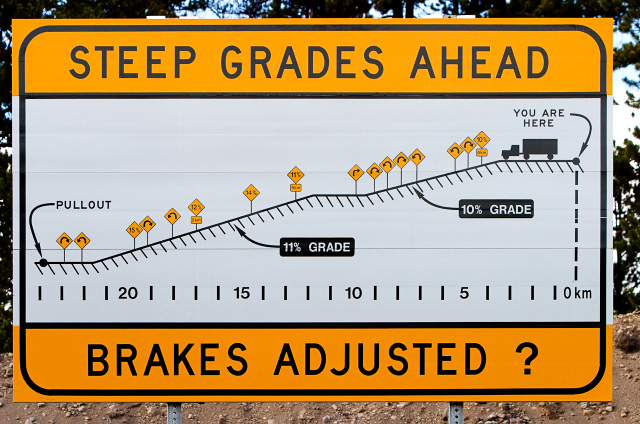
A trip that includes:
- hill climbs,
- urban traffic jams,
- stop-and-go traffic,
tends to cost more in fuel.
Independent truckers are the most affected by this since it immediately rises their unit cost without increasing their rate, turning normal trips into elevated running costs.
When added on a weekly basis, they become the silent assassination of the trucking company’s margin.
The BIGGEST Mistake New Owner Operators Make (FIX THIS!)
Weight Errors: When Load Weight Turns Into a Liability
Comprehension of Load Weight Beyond the Bill of Lading
Most truck drivers believe that the shipper loaded the weight, which must be compliance weight. This faulty premise leads to the most expensive logistics issues on the road.
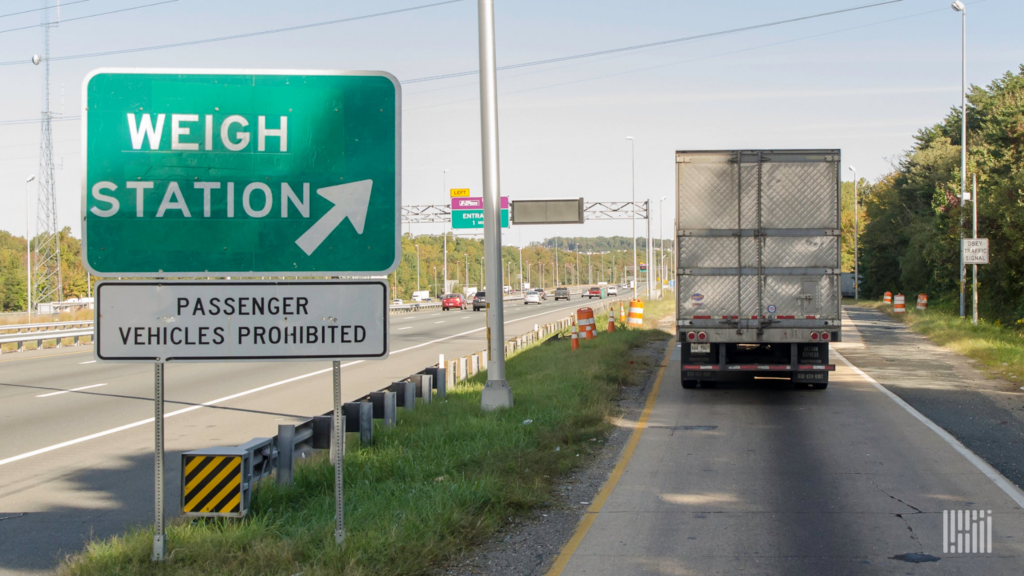
Weight errors include:
- Overweight trucks exceeding legal weight limits
- Unbalanced axles
- Improper load distribution
- Cargo weight too high across tandems
The scale does not make the distinction who loaded the trailer, but the weight enforcement focuses on the driver.
Overweight Fines and Their True Costs
Overweight fines are just the tip of the iceberg in what weight issues cost. Violating the weight limit on a truck can also cause:
- Rework or load redistribution
- Hours or days of additional downtime
- Increased inspections
- Heightened insurance risk profiles
Owner-operators have to deal with this situation compounding financial losses. One overweight ticket can obliterate the profit from several loads and create immediate high costs that cannot be recovered easily.
Preventing Overweight Truck Fines
The Obscured Relationship Between Routing Errors and Weight Errors
Routing and weight errors frequently form a positive feedback loop of mistakes. A few examples:
- A marginally overweight load routed through mountainous terrain
- Incorrect routing that bypasses safe re-weigh options
- Detours that push axle limits beyond tolerance
Together, these operational errors elevate the risk of:
- Mechanical stress
- Enforcement stops
- Emergency rerouting
This is where business failure begins — not suddenly, but gradually.
How These Errors Make Owner-Operators Go Into the Red
Increased Owner-Operator Expenses with No Sales Growth
The direct effect of routing and weight mistakes is to inflate:
- Fuel costs
- Maintenance expenses
- Tire wear
- Insurance risk
- Compliance fines
These costs show up right away, while rates are the same as they were. The operation will be unsustainable in the long run even when there is a consistent freight, because the running costs keep rising while the income stays flat.
Operational Errors vs Financial Impact (Summary Table)
| Operational mistake | Immediate effect | Financial consequence |
| Poor routing choice | Higher fuel burn | Increased cost per mile |
| Terrain misjudgment | Excess wear & tear | Maintenance cost growth |
| Overweight load | Enforcement stop | Fines + downtime |
| Axle imbalance | Forced rework | Lost driving hours |
| Detour rerouting | Unpaid time | Weekly profit erosion |
Profit Loss Through Preventable Downtime
Unpaid time off due to:
- truck rerouting,
- re-loading,
- enforcement delays,
are the drivers’ unpaid time. In short, the duration of the service minus reimbursement gives them a negative income, which directly put in the red status.
The Only Thing that Will Ensure is Operational Discipline
Routing as a Business Decision, Not a Navigation Choice
Good freight routing must involve steering clear of:
- bad terrains
- bulky roads
- weight distribution
- fuel use
- enforcement density
Routing must be a fleet management function, not a navigation choice, even if it’s just a one-truck operation, because incorrect routing turns manageable routes into high costs quickly.
Weight Control as a Cost-Management Tool
Smart owner-operators:
- check axle weights early on
- know legal truck weight limits depending on the state
- managing load balancing actively
- consider weight compliance as cost control rather than bureaucracy
Such decisions promote pre-emptive addressing of transportation errors and prevent them from occurring.
Why Routing and Weight Problems Can Cause Big Financial Damage
Normally, routing and weight problems won’t kill a business in one day. However, instead they:
- Gradually drain the cash
- Create stress
- Impair operation flexibility
Eventually, owner-operators will grasp their situation: they work harder and earn less, they have a feeling that the numbers don’t add up, but the truth is hidden in the repeated routing errors and weight errors — and the accumulated profit loss that follows.
When Small Operational Errors Become a Structural Business Problem
Rerouting and weight errors can often appear as standalone mishaps when the company is just starting off. A bad route here, an overweight stop there. Most of the owner-operators perceive these incidents as \”making a living by these job hazards.\” They seem to smell danger when such mistakes go from being exceptions to being the norm. However, this is when real danger begins to show up.
After a while, the accumulated routing errors alter the operation’s cost structure. More fuel is burnt, maintenance intervals are shortened, and the schedule for the downtime grows more confusing. On the other hand, weight-related challenges rise in enforcement exposure, which causes inspections, papers, and lost time unpaid. Although the exact amount is not indicated in a rate confirmation, these additional costs refer to decreased revenue.
What makes this especially dangerous for owner-operators is the lack of buffers. Unlike large fleets, independent truckers cannot spread losses across dozens of units. One truck carries the full weight of every decision. When routing choices are made reactively instead of strategically, and load weight is trusted instead of verified, the business gradually shifts from margin-based operation to damage control.
This is how many trucking businesses fail without a clear breaking point. Freight is still moving, miles are still logged, but cash flow tightens month after month. Repairs feel more frequent, stress increases, and the driver starts compensating by driving longer hours rather than fixing the root causes. At that stage, the problem is no longer routing or weight alone — it is the absence of operational discipline.
Sustainable profitability in truck driving is not achieved by chasing better rates alone. It is achieved by removing avoidable losses. Treating routing and weight control as core management functions — even in a one-truck setup — is what separates stable owner-operators from those who permanently operate on the edge of going into the red.
Conclusion: Precision Equals Profit in Truck Driving
The key to profitability in trucking is precision. The truck drivers who handle routing and load weight like an important decision protect their margins from being affected, reduce overweight fines, and keep control of running costs before the operation gets put in the red.
FAQ
Why do routing errors hurt owner-operators more than large fleets?
Large fleets can absorb inefficiencies through scale, backup equipment, and negotiated contracts. Owner-operators absorb every routing mistake directly through higher fuel usage, increased wear, and unpaid time. One poor route can erase the profit of an entire trip.
Although, there were some changes in the weight fine in the road sections between Quebec, Acadia, and Ontario.
Are overweight fines really that damaging in the long run?
Yes. Overweight fines are only the visible cost. The real damage comes from downtime, forced load adjustments, higher inspection frequency, and increased insurance risk. Over time, these factors compound and significantly reduce net income.
Such as, the correction of the control weight.
How can owner-operators reduce routing-related profit loss?
Routing should be planned with freight-specific tools and real-world constraints in mind. Terrain, enforcement density, fuel efficiency, and re-weigh access points all matter. Treating routing as a business decision instead of a navigation choice is key.
The recaptured idling and faulty weight corrections not only regained lost trips but also stored less freight.
Why is load weight control considered a cost-management tool?
Because weight compliance directly affects fuel efficiency, mechanical stress, enforcement risk, and downtime. Managing axle balance and cargo weight early prevents losses that are far more expensive than the time spent checking weight.
On the other hand, if the truck is overloaded it is likely to undergo frequent repairs that carry heavy costs, making the truck owner-operate in a negative zone.
What is the first sign that routing and weight issues are putting an operation in the red?
It’s the case when distances show an increase but net income remains constant. The primary signs of running costs increase, recurrent delays, and small penalties but frequently operational errors are negatively affecting profit margins.