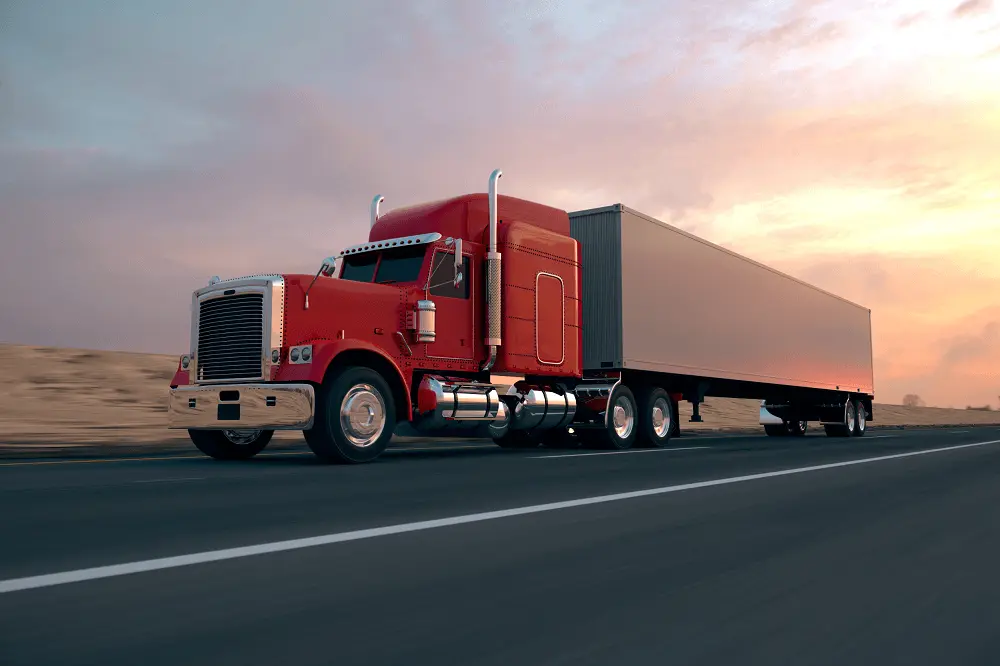
Owner operator freedom, the slogan that gets the most aggressive in the trucking industry, the
exposure rate, and in a way, you could indeed say that it was invented by the promotion of disenchantment with tropes about fake marketing. Just think about how much you would be able to sell if you were an owner- operator? I mean, you would get out leases, trucks, dispatch services, fuel cards, factoring, and even YouTube courses. The company makes it sound as easy as a flipping a light switch: You just lease a truck instead of seating company drivers, and then you are in charge of your own life. This discourse, however, isn’t about the authentic owner operator freedom; it’s just a selling technique — owner op marketing — and it quite often gives rise to the very myths of trucking freedom.
This is how marketing myths are formed — not through lies, but through selective silence.
Marketing trivializes freedom by making it a commodity: “It’s your own decision to drive!” “Select loads convenient for you.” “You are the one deciding whether to be your own boss.” It hardly mentions that each of the above choices can have financial, legal, or operational consequences. Freedom in self-employment trucking is conditional, not absolute. You do not break away from the organization; instead, you take on the role of creating and sustaining it. That is the core of the owner operator reality, and it is the point where the first fractures arise between trucking freedom as a slogan and freedom as a business structure.
This is the point where the most of the owner operator myths originate from. The sector is not openly lying; it just lacks context. It focuses on owner operator advantages but fails to outline equally the downsides. This is how it causes people to have misconstrued expectations and make poor decisions. Numerous individuals embark upon independent trucking throwing away their potential time freedom, bring in a new rig, and discover that the “freedom” is really just a huge chunk of responsibilities that they are not trained to handle.
The myth that you own a truck without any restrictions is very appealing, but in reality, it means deciding which limitations you choose to live with. For example, it triggers goods risk when you are on the spot market, which also makes your fuel prices fluctuant. If you own the vehicle, you are in charge of the maintenance policy. If you sign contracts without understanding them, you can end up in a position where the contractor quietly infringes on your independence as an owner operator. It is a misconception that associating freedom with lower pressure is right. The reality is that the pressure merely transforms into another form — and this is the most significant myth of a trucking business to break early.
One of the most persistent trucking business myths is the belief that ownership automatically reduces pressure.
The key step is to learn the difference between the myths surrounding trucking freedom and the realities of being an owner operator.Independent definitions of owner-operator trucking describe it not as a lifestyle upgrade, but as a form of self-employment that combines operational freedom with full responsibility for equipment, contracts, and expenses (Wikipedia, Owner-operator).
Schedule Freedom: Real but Still Expensive
Scheduling is one of those rare occasions where actual owner- operator freedom comes into play. The owner operator business, in contrast to a company seat, gives you the power to decline loads, take off without asking for approval, or to work in your own pace. It seems that you are the one who controls your lifestyle — and you can be — but it only works when the numbers are in your favor. In real owner operator life, schedule freedom is not “free”; it is the cost of earning.
Owner operator benefits do exist, but only when the business structure allows them to function.
The expense of money to acquire free scheduling of loads among the time-discussed issues weighing on the marketing of truck driving freedom is very simple. When you refuse freight, you forfeit potential revenue. A week off means your bills continue to accumulate while income rests. Insurance, truck payments, permits, plates, and the cost of parking are all there whether you want a break or not. That is the part seldom mentioned in the ads selling trucking freedom.
In self employment trucking, freedom and accountability always arrive together.
Besides, it is often the case that the more debt you are in, the less schedule freedom you actually have. When your payment is so high, it is really not that hard to see how what once looked like owner operator independence has actually turned into an unmovable obligation.
This is where the owner operator vs company driver comparison becomes unavoidable.
And that is the moment when the contrast between owner operator and company driver is uncomfortable: the driver for the company, although not having many choices, has a far less financial burden tied to the decision of choosing time off.
This fact of life reveals itself through the contradiction in owner operator existence. The business freely giving the idea of freedom while cash flow controls actions acceptance is a symptom of the era. The fact that cash flow governs the behavior doesn’t render the thing false — it just means it is contingent. The truth of the situation is that lower costs must accompany the independence that comes with not being afraid.
This is where the perspective as to how much an owner operator earns becomes injurious. Many drivers tend to chase gross numbers without realizing the real importance of margin resilience. Lacking margin makes your business becomes merely a survival mode wearing a logo. Real schedule freedom is existent — but it has to be bought with self-discipline, not wishful thinking.
Load Choice vs. Illusion of Freedom
Load selection is one other promise frolicked within the tales of trucking freedom. The mantra goes: “You choose your road.” “No forced dispatch.” That, of course, on paper does sound complete control, and I would concede that it is a type of choice. However, in the world of owner operators, load choice is always governed by lanes, broker relationships, timing, insurance conditions, and market cycles, as well as covenants that you’re bound by your owner operator contracts.
A truck owner operator is barred to select from all available freight. The available freight to choose from is what fits to their vehicle, insurance needs, and timing in pick up windows, compliance limits, and broker trust level. In a tight spot market, the “choice” is often between a weak load today or a worse one tomorrow. That is the place where the trucking freedom myths contradict cash flow.
From Driver to Owner-Operator: The Hardest Transition in Trucking
Owner operators under lease may face additional restrictions like there are dispatch percentages, brokers approved, routing rules, penalties, or non-compete clauses. These schemes might deprive you of independence and still maintain the facade of freedom. This is also the area where the ethics of the owner operator are questionable: not everything is written in the bold print, but the little print is what robs you of your right to say “no”.
Many owner operator scams are hidden inside contracts rather than advertised openly.
The real freedom of choosing loads arises only when an operator has more power such as a low cost structure, the ability to work with many brokers, knowledge of which lanes to choose, and the ability to wait without losing a penny. In such cases, on the other hand, load choice is unstrategic rather than reactive.
Due to the common belief that ownership is all power, the truth of the matter gets lost in the shuffle. In actuality, it is your liquidity that gives you power. You cannot control the load choice until you are capable to stop accepting freight in fear. Without it, load choice is not authority; it is a narrow choice list.
This is one of the core owner operator truths rarely mentioned in promotional narratives.
Income Freedom vs. Income Volatility

Income is framed as limitless in the independence narrative: “No cap.” “Effort determines pay.” Although this can be true in some cases, it diverts concentration from the actual influencer: volatility. The owner operator model brings instability in exchange for a constant salary which is the heart of owner operator reality.
Marketing myths usually highlight upside while ignoring structural volatility.
Some weeks will be productive while others will be tough. Repair expenditures might immediately consume your profit. Market fluctuations can cut your plan without any prior warning. Moreover, the more you depend on one lane, one broker, or one contract, the more you actually lock yourself in. This, in fact, is one of the most important truths of being an owner operator.
Most drivers connect gross sales with freedom. They notice significant settlements and wrongly judge that they escaped the system. But when net margins aren’t steady, the freedom effect becomes fragile and stress-driven. For example, one breakdown can wipe out months of so-called progress and that shock has a tendency of being a hallmark in the life of an owner operator.
This is the reason why the comparisons between owner operator and company driver need to be honest; a company driver trades potential for stability; a owner operator trades stability for control. Neither of the two paths is always better, but the illusion of no volatility is what gets the people entrapped.
Real freedom of income is not only about earning more. It is also about being resilient: maintenance reserves, tax buffers, downtime planning, and contracts that do not punish you for being human. The operators who build such systems are way ahead of those who just chase distance in the area of really true owner operator freedom.
The illusion is that of unlimited income. The reality is handled risk – and a realistic expectation of owner operator salary.
Where the Real Freedom Actually Lies
So, where does the real owner operator freedom come from?
The decision authority, not the comfort is the host of owner operator freedom. It is the choosing of partners, not the avoidance of work. It is establishing an owner operator business where pressure does not run the whole show. Real freedom is the comprehension of owner operator challenges early before they become emergencies and cause you to make quick decisions.
Independent trucking rewards those who think like owners rather than fugitives. Drivers who go in to “escape” often get caught in rigid contracts and debt. Drivers who choose to build deliberately — with cash reserves, intelligent lanes, the right partners, and well-defined costs — gain real autonomy and practical owner operator independence.
Freedom is not less discipline, but it is self-imposed. It is the ability to say no, slow down, pivot, or stop without being ruined. That freedom is real, that freedom is earned slowly, and often that freedom is occurred in a covert way, not a loud sell.
These owner operator truths are learned slowly, often after costly mistakes.
The biggest myth is that freedom is automatic. In fact, freedom is the product of engineering. But marketing doesn’t sell that – because it takes time, discipline, and a clear understanding of the owner’s operator reality.
Owner Operator Benefits vs. Marketed Promises
| Marketed Freedom Claim | Reality in Owner Operator Life |
| Be your own boss | You replace management with contracts, compliance, and cash flow pressure |
| Unlimited income | Income fluctuates and depends on market cycles, repairs, and liquidity |
| Choose any load | Load choice is limited by lanes, brokers, insurance, and timing |
| Take time off anytime | Fixed costs continue even when the truck is parked |
| Full independence | Independence exists only within financial and contractual boundaries |
This comparison highlights how owner operator benefits exist in practice only when the underlying business structure supports them. Without cost control, reserves, and realistic expectations, marketed freedom turns into operational stress.
Practical Owner Operator Benefits That Are Often Overlooked
- Ability to choose business partners instead of being assigned dispatch or routes
- Flexibility to adjust operating pace based on personal and financial capacity
- Opportunity to build long-term equity through equipment ownership (when structured correctly)
- Greater control over lane strategy and market positioning
- Direct visibility into true operating costs and profitability
- Potential to exit, pause, or pivot the business without formal approval
These owner operator benefits are rarely advertised because they require discipline, planning, and patience rather than quick onboarding or fast sales.